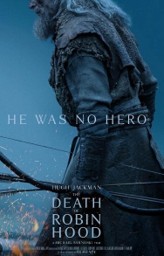
Michael Sarnoski’s The Death of Robin Hood is not the Robin Hood most audiences remember. Rather than presenting the legendary outlaw as a noble champion of the poor, the film offers a somber meditation on guilt, mortality, redemption, and the enduring consequences of past choices.
Starring Hugh Jackman, the film strips away centuries of romantic mythology and asks a difficult question: What happens when a man must finally confront the truth about the life he has lived?
Brief Summary
The story follows an aging Robin Hood who has been gravely wounded after years of violence and outlaw living. Far removed from the heroic tales told around campfires, this Robin is haunted by the people he has harmed and by the gulf between the legend and the man.
After being taken in by a compassionate woman and finding temporary refuge from the cycle of violence, Robin is forced to confront the reality of his past and the legacy he will leave behind. Throughout the film, themes of vengeance, regret, forgiveness, and redemption dominate the narrative.
The Significance of Robin Hood
The significance of Robin Hood in this film lies not in his legendary heroism but in his humanity. He represents every individual who has lived long enough to realize that actions cannot be undone.
The traditional Robin Hood myth celebrates rebellion against injustice, but Sarnoski’s version explores the moral ambiguity beneath the legend. Robin becomes a symbol of the struggle between who we once were and who we hope to become.
This portrayal reminds viewers that no amount of storytelling can erase the consequences of our choices. A reputation, whether good or bad, may become larger than life, but eventually every person must confront the truth of their own character. Robin’s final journey is therefore not merely physical; it is spiritual and existential.
Hugh Jackman’s Portrayal
Hugh Jackman delivers one of the most mature performances of his career. Many critics have compared his Robin Hood to his portrayal of Wolverine in Logan—an aging warrior burdened by regret, physical decline, and the weight of past violence. Jackman portrays Robin as a weary man who is neither hero nor villain but a deeply flawed individual seeking peace before death.
What makes Jackman’s performance compelling is his restraint. Rather than relying on grand speeches or heroic bravado, he communicates Robin’s suffering through silence, expression, and physical presence. His Robin is haunted, tired, and emotionally scarred. Yet beneath the hardened exterior lies a longing for redemption that keeps the audience invested in his journey. Even critics who were divided about the film itself largely agreed that Jackman’s performance was exceptional.
The Ghosts of Our Past
One of the film’s most powerful themes is the idea that the “ghosts” of our past never truly disappear. These ghosts are not supernatural beings but memories, regrets, failures, and unresolved wounds.
Robin Hood spends much of the film attempting to escape the consequences of earlier choices. Yet the past follows him relentlessly. The people he harmed, the lives he changed, and the myths created about him continue to shape his present reality. The film suggests that we cannot outrun our history. We may bury it, deny it, or redefine it, but eventually it demands acknowledgment.
This theme resonates deeply because it reflects real life. Unresolved guilt can influence our decisions decades later. Childhood wounds can affect relationships. Poor choices can create consequences that endure long after the original act. Conversely, acts of kindness and sacrifice can also echo through generations.
How Our Ghosts Affect Others
Perhaps the film’s most profound insight is that the ghosts of our past rarely affect only us.
Robin’s legacy influences everyone around him. Those who suffered because of his actions carry pain and a desire for vengeance. Families who lost loved ones remain trapped in cycles of bitterness. The consequences of Robin’s choices ripple outward into the lives of others. His past becomes their present and threatens to shape their future.
Yet the film also demonstrates the positive side of legacy. As Robin encounters people willing to show mercy and compassion, there emerges the possibility that even a flawed life can inspire hope. Acts of grace create opportunities for healing. A person who acknowledges past failures can influence others toward forgiveness rather than revenge. In this sense, Robin’s final choices become as important as his earlier mistakes.
The movie therefore presents a dual truth:
Final Assessment
The Death of Robin Hood is not an adventure film in the traditional sense. It is a reflective character study that deconstructs a beloved legend and transforms it into a meditation on mortality, guilt, and redemption. While some viewers may find its deliberate pacing and dark tone challenging, the film succeeds in asking meaningful questions about legacy and the human condition.
At its heart, the movie reminds us that the past is never merely past. The choices we make today become the ghosts that will either haunt or guide tomorrow. Robin Hood’s final journey teaches that while we cannot rewrite our history, we can decide how we respond to it—and in doing so, influence not only our own future but the futures of everyone whose lives we touch.
The acting in the movie makes you empathizes with each character and feel the pain that they are feeling. It is not an action movie, but the film will make examine feel what it is to be human.
Rating: 4.5 out of five stars
Be the first to know about our latest updates, tips and special offers.
Copyright © 2022 All Rights Reserved
Website designed by Red Robin Designers.