
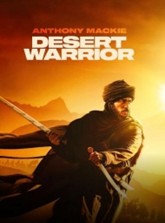
Desert Warrior (2026) – Review & Reflection
Short Summary
Desert Warrior (2026), directed by Rupert Wyatt, is a historical action-drama set in 7th-century Arabia.
The story follows Princess Hind, who flees a tyrannical emperor rather than submit to oppression.
In the desert, she allies with a mysterious rogue named Hanzala and eventually unites rival tribes to confront a common enemy.
The film blends sweeping desert visuals with a classic underdog narrative, emphasizing courage, resistance, and unity in the face of tyranny.
Overall Review
Visually, Desert Warrior is striking—its desert landscapes and large-scale battle sequences give it the feel of an epic.
Critics note its “extraordinary images,” even if the pacing can feel slow at times.
Narratively, the film leans on familiar themes: a reluctant hero, a fugitive princess, and a tyrant whose power forces unlikely alliances.
While not groundbreaking in structure, it succeeds in delivering an emotionally resonant story about perseverance and identity.
Major Themes
The relationship between Hind and Hanzala begins with distrust but evolves into deep loyalty. In a harsh desert environment, survival depends on trust—often with people who were once strangers or even enemies.
This reflects how loyalty is forged not just through shared background, but through shared struggle.
The desire to overthrow Emperor Kisra can be seen as revenge—but the story gradually reframes it as a pursuit of justice and freedom.
The film subtly asks: Is revenge destructive, or can it be redirected toward righteous purpose?
Perhaps the film’s strongest theme is unity. Rival tribes—once divided by history and conflict—come together to fight oppression.
This illustrates a timeless truth: Sometimes the greater good requires setting aside differences to confront a larger evil.
Hanzala, the rogue bandit, represents the “outsider”—someone marginalized but deeply capable.
The film shows that:
This aligns with the broader “underdog overcoming adversity” theme noted by the cast.
Christian Life Lessons
Scripture often highlights God using outsiders—David, Moses, even the disciples. Like Hanzala, those overlooked by society may be chosen for great purpose.
“God has chosen the weak things of the world to shame the strong.” (1 Corinthians 1:27)
The uniting of tribes mirrors biblical calls for unity among believers.
“Every kingdom divided against itself is brought to desolation.” (Matthew 12:25)
Christians are reminded that unity—especially against evil—is essential.
Princess Hind’s refusal to submit reflects moral courage.
Christians can draw from this:
While revenge is a driving force, the deeper message points toward justice and restoration.
“Do not take revenge… but leave room for God’s wrath.” (Romans 12:19)
The film can prompt believers to examine their motives—seeking justice without becoming consumed by bitterness.
Hanzala helps others despite being an outsider. This mirrors Christ Himself, who was rejected yet served humanity.
Final Thoughts
Desert Warrior is not just a desert epic—it’s a story about identity, purpose, and unity under pressure.
While it may follow familiar storytelling patterns, its themes resonate deeply, especially for those reflecting on faith, leadership, and perseverance.
For Christian viewers, the film offers a powerful reminder:
God can use anyone—even the overlooked—to bring about deliverance, and unity in righteousness is stronger than any division.
Rating: 4 out of 5 stars
Be the first to know about our latest updates, tips and special offers.
Copyright © 2022 All Rights Reserved
Website designed by Red Robin Designers.